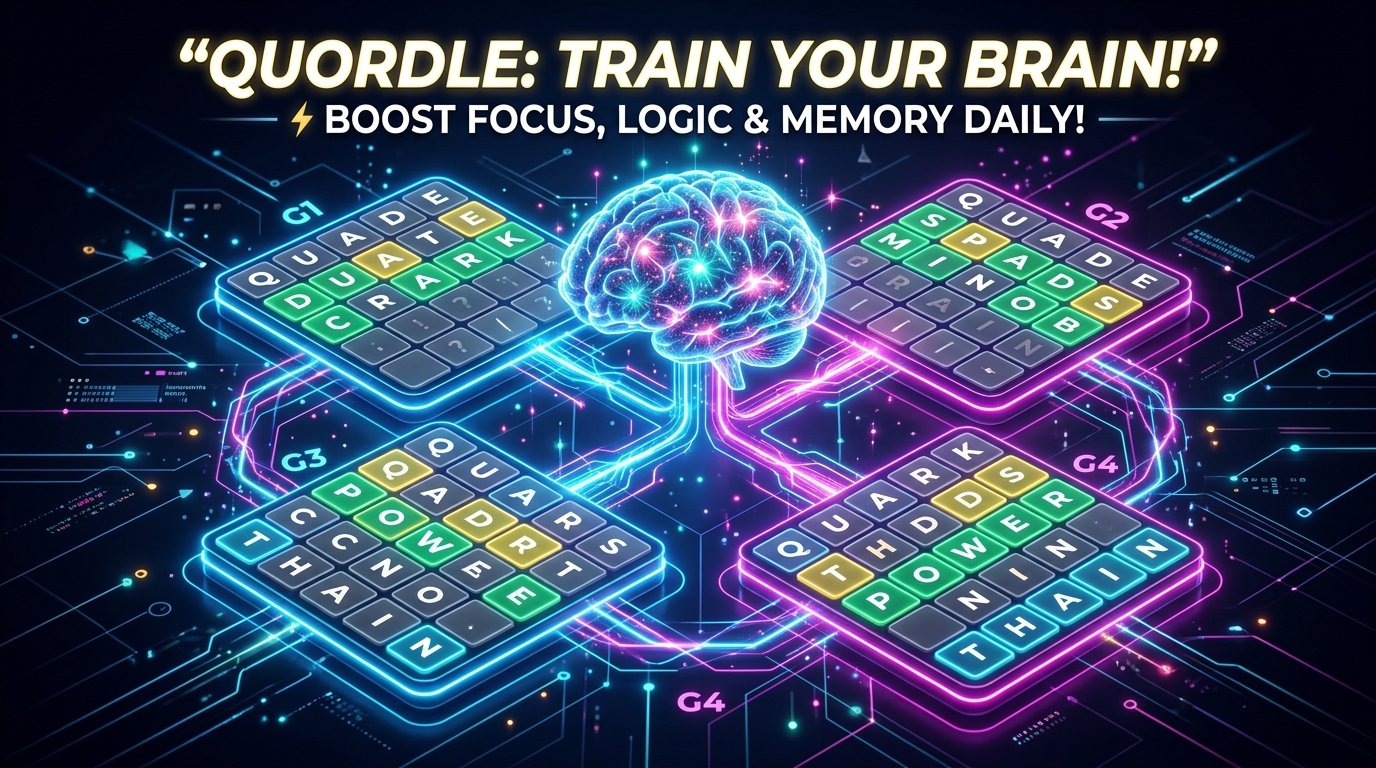
From Crosswords to Wordle: Why Our Brains Love Word Games
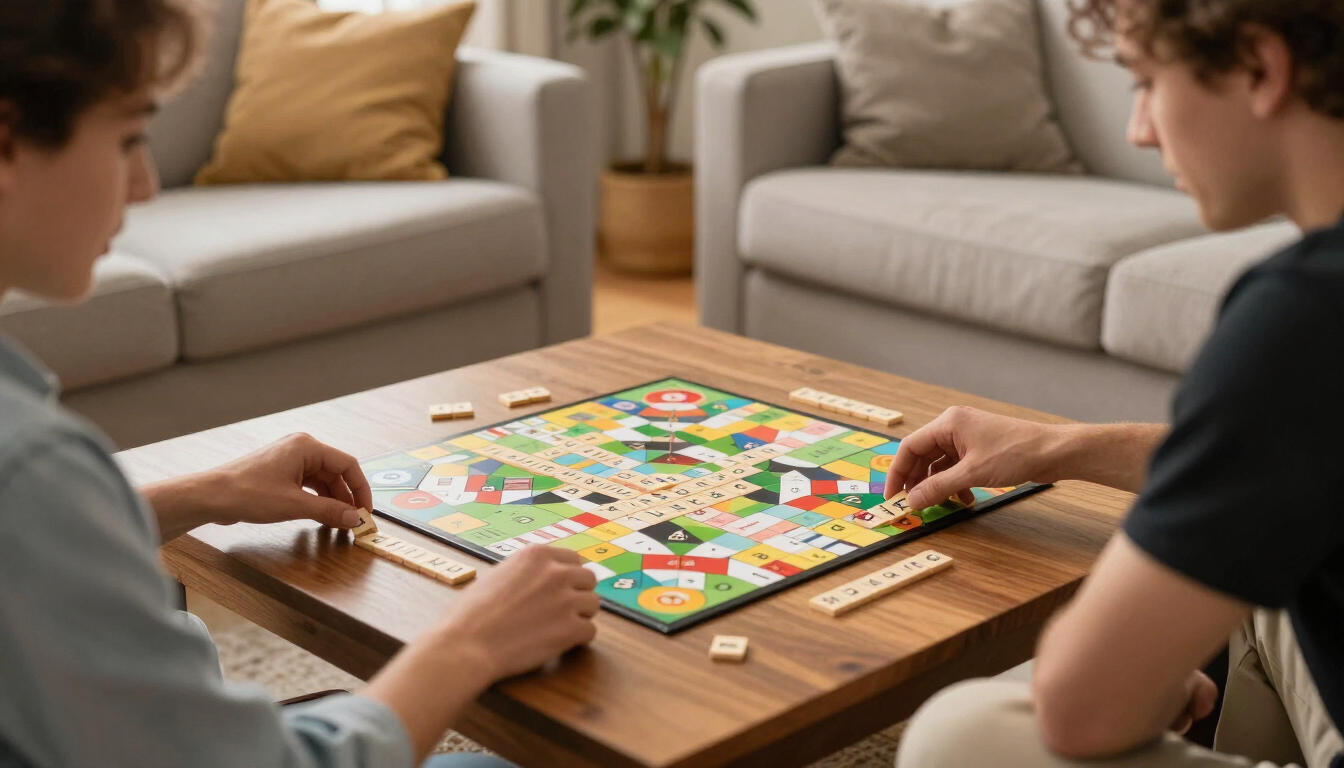
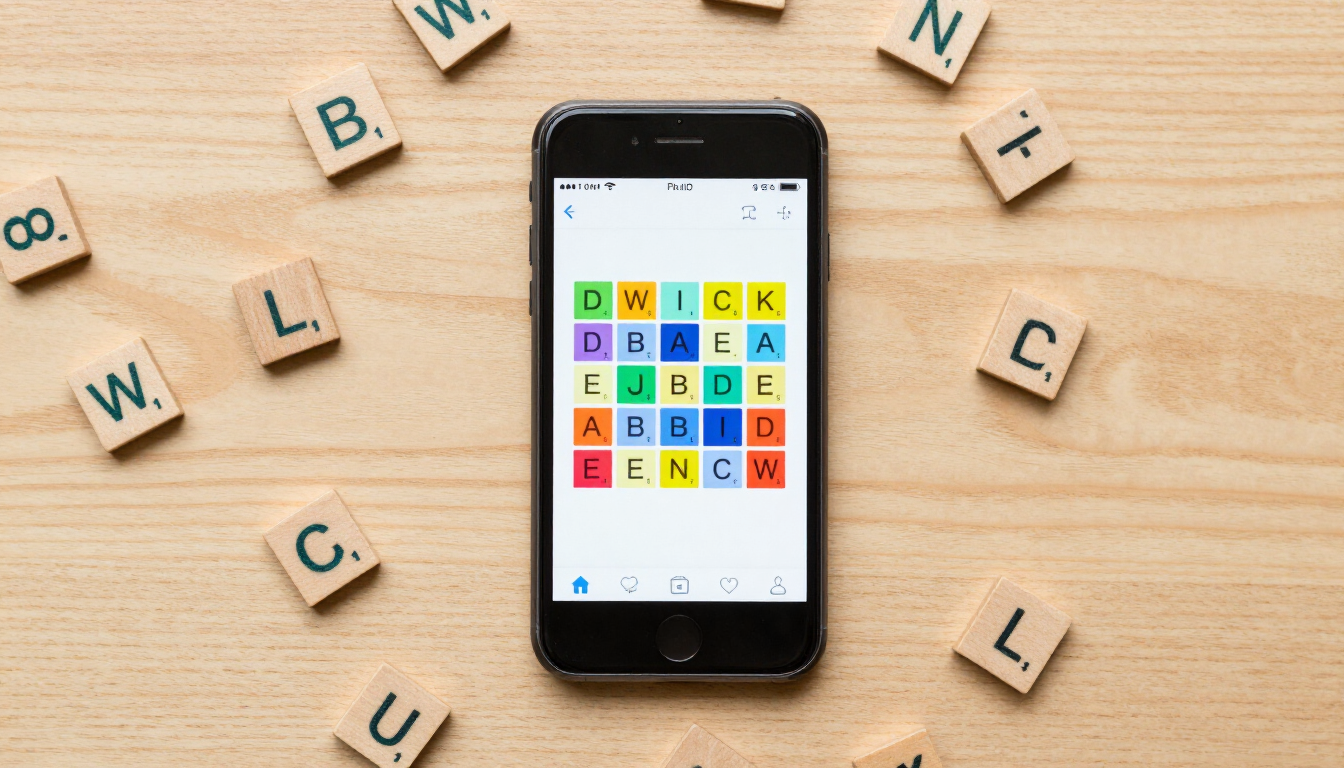
Whether it's a Sunday crossword puzzle, a frantic game of Boggle, or your daily Wordle streak, humans have an enduring obsession with word games. But why are we so captivated by rearranging letters?
The "Aha!" Moment and Dopamine
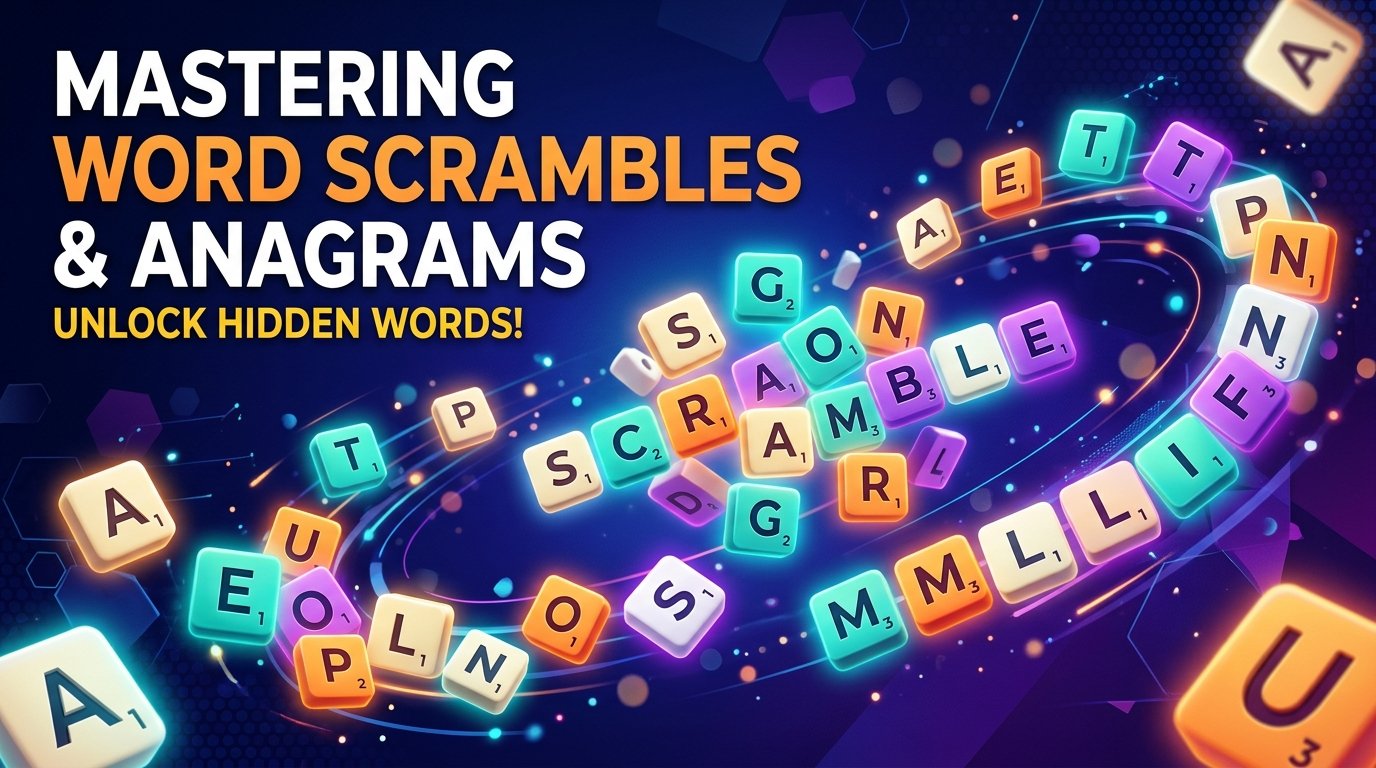
At the core of every word game is pattern recognition. When you stare at a scrambled mess of letters, your brain is actively searching its linguistic database for a match. When you finally spot the hidden word, your brain experiences a sudden rush of clarity—the "Aha!" moment.
Neurologically, this moment triggers a release of dopamine, the neurotransmitter associated with pleasure and reward. The harder the scramble, the bigger the dopamine hit when you solve it.
The Illusion of Control
In a chaotic world, word games offer a contained environment with strict rules and a guaranteed solution. Unlike real-world problems that are ambiguous and never-ending, a crossword puzzle or a game of Wordle has a definitive end state. This provides a deeply satisfying sense of closure and control.
Social Bonding Through Shared Frustration
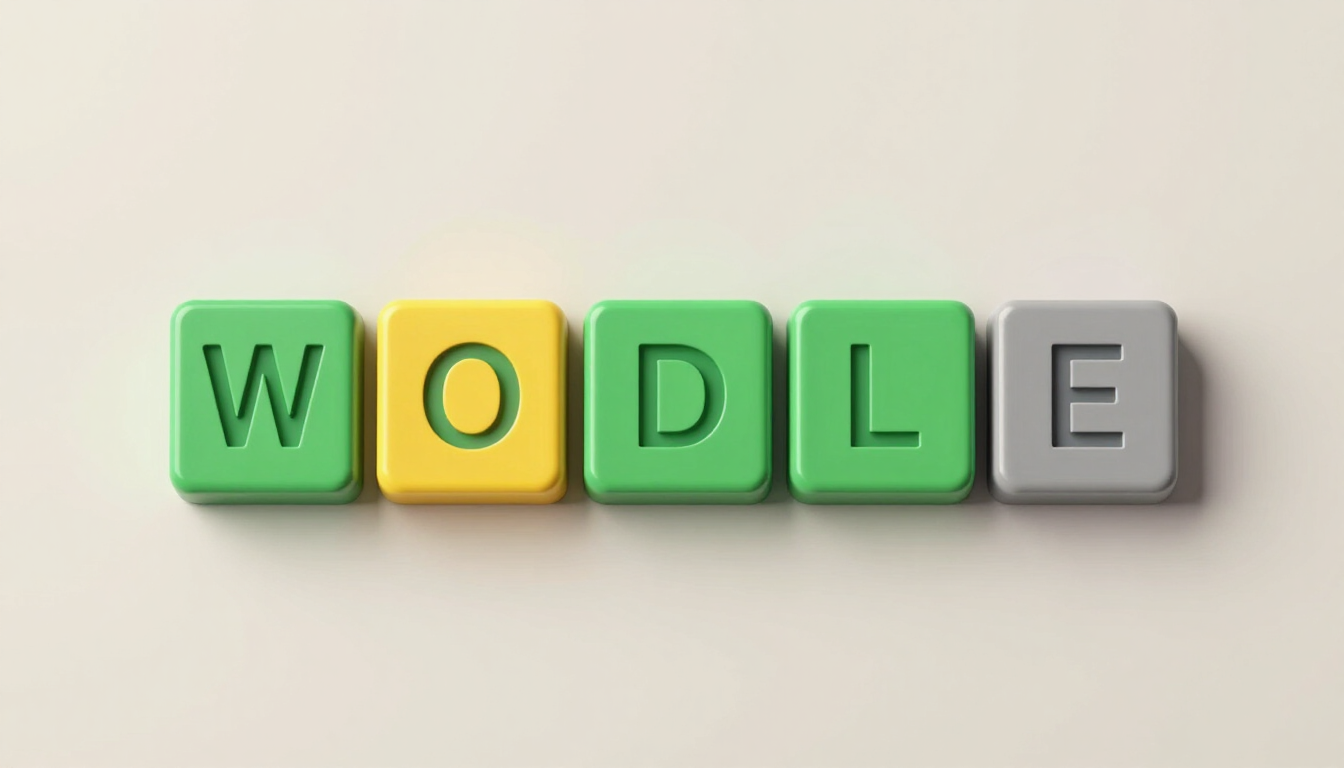
Word games also act as social glue. The genius of Wordle's sharable yellow-and-green grids was that it allowed players to communicate their shared struggle without spoiling the answer. Comparing scores and playfully arguing over whether a specific word is "valid" in Scrabble is a uniquely human way to bond.